

Hyperpigmentation & Sun Damage · Fresno, California
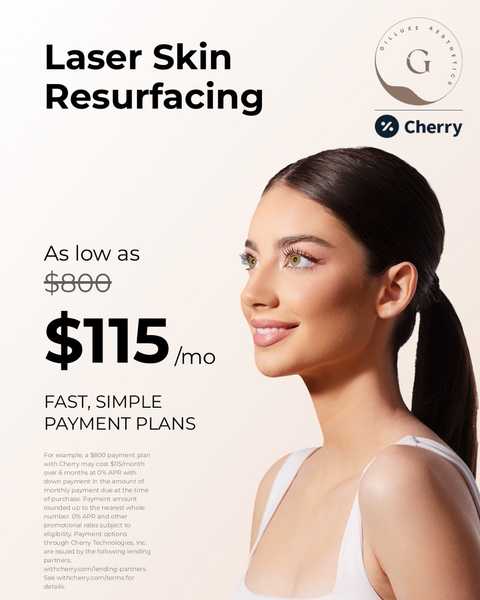
Laser Skin Resurfacing
A resurfacing laser treatment that precisely removes the outermost damaged layers of skin to reveal fresher, smoother skin beneath. The Laser Skin Resurfacing wavelength is well suited to improving fine lines, uneven texture, sun damage, and superficial scarring with a controlled depth of resurfacing. By prompting new collagen formation as the skin heals, the treatment helps restore clarity and smoothness, with downtime that varies depending on the intensity of the session.
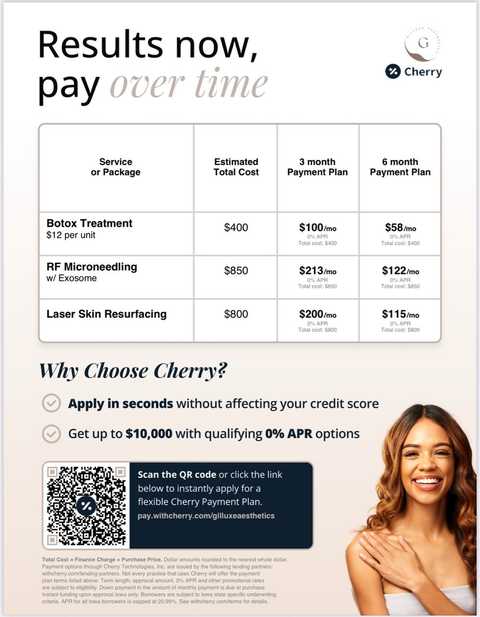
Price$750
Duration60 mins
Laser Skin Resurfacing Gallery
$$MultiPurposeText$$
See examples of our Laser Skin Resurfacing work and results.





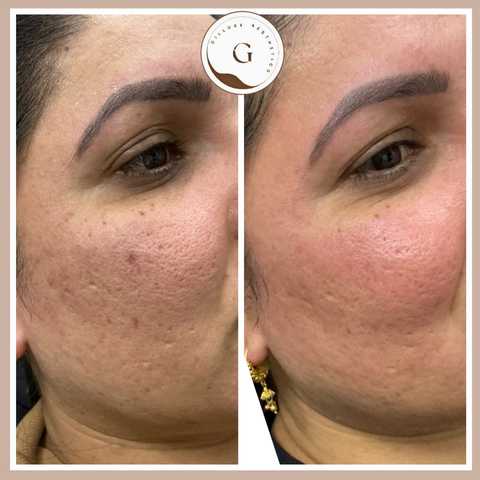


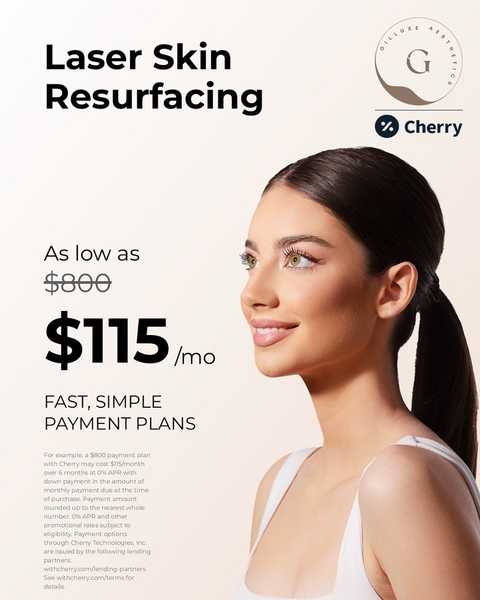
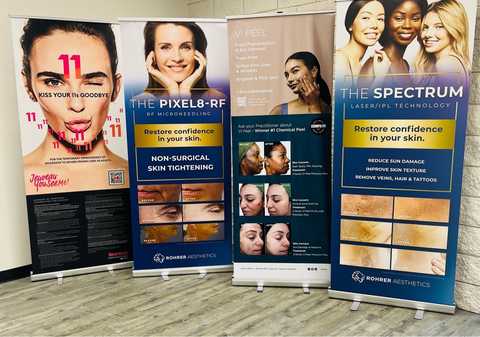
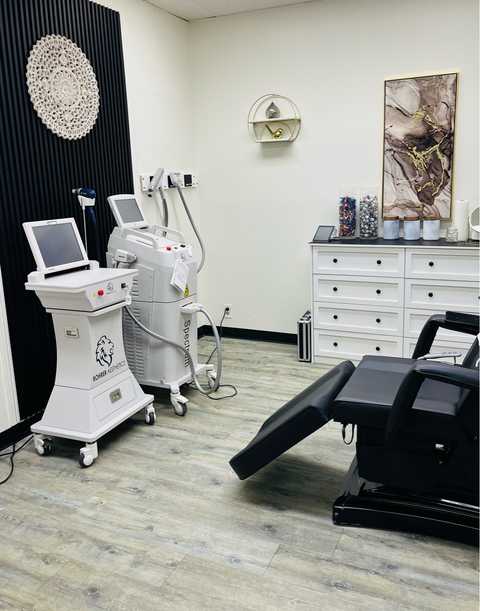



What Our Clients Say
$$MultiPurposeText$$
Read testimonials from our satisfied customers

Today was my first time here and I loved it! The place is very clean and welcoming. Staff ...more

Honesty this was my first time going anywhere where I felt so comfortable! Gilluxe knew ex...more

Great experience very helpful 😊

She is a professional that wants the best for her clients. I am so lucky to have met her b...more

Great first time experience!

Great service! I loved it here!

Frequently Asked Questions
Get answers to common questions about Laser Skin Resurfacing.
This treatment uses precise laser wavelengths to remove damaged skin layers, revealing new, healthier skin beneath and promoting collagen formation.
Laser skin resurfacing is effective against fine lines, sun damage, uneven texture, and superficial scarring, helping you achieve a smoother complexion.
Downtime varies based on treatment intensity, ranging from mild redness to peeling, typically improving within a few days after the session.
The number of sessions required varies by individual and skin concerns, but many clients see improvements after just one to three treatments.
Clients may experience mild discomfort during the procedure, but numbing creams are often applied to enhance comfort during treatment.
Expect some redness and swelling in the treated area, which should subside within a week, revealing more youthful skin as healing progresses.
Ready To Book Laser Skin Resurfacing?
$$MultiPurposeText$$
Schedule your laser skin resurfacing appointment today and experience the difference.
Read more about Laser Skin Resurfacing
$$MultiPurposeText$$
Explore our latest insights and guides on Laser Skin Resurfacing.
